
Micronutrient Balance: The Foundation of Wellness
Understanding how vitamins, minerals, and trace elements work together to support your body's optimal function. Explore the science behind nutritional balance and discover how to nourish yourself properly.
Complete Nutrient Profile
Every food contains a unique combination of vitamins, minerals, and cofactors. True nutritional health comes from understanding which foods provide the broadest spectrum of micronutrients.
Synergistic Absorption
Micronutrients don't work in isolation. Certain combinations enhance absorption—vitamin C boosts iron uptake, magnesium aids calcium retention, and fat-soluble vitamins require dietary fat for optimal bioavailability.
Evidence-Based Approach
Our content is grounded in peer-reviewed nutrition science. We examine the research behind recommended daily values and explain why balanced intake matters for long-term wellness.

Key Micronutrients Explained
A deeper look at essential vitamins and minerals that your body needs every day.
B Vitamins
The B-complex vitamins (B1, B2, B3, B5, B6, B7, B9, B12) are essential for energy metabolism, nervous system function, and red blood cell formation. They're water-soluble, meaning your body cannot store them, so regular intake through food is vital. Found in whole grains, leafy greens, legumes, and animal products.
Vitamin D & Calcium
This dynamic duo supports bone health, immune function, and calcium absorption. Vitamin D is unique—your body can synthesize it from sunlight, but many people require dietary sources. Fatty fish, egg yolks, fortified dairy, and leafy greens provide both nutrients in complementary ways.
Antioxidant Vitamins
Vitamins A, C, and E act as cellular protectors, neutralising harmful free radicals. They work synergistically—vitamin C enhances the absorption of iron and helps regenerate spent vitamin E. Rich sources include bell peppers, citrus fruits, berries, nuts, seeds, and coloured vegetables.
Minerals: Iron & Zinc
Iron carries oxygen throughout your bloodstream and supports cognitive function. Zinc strengthens immune response and aids wound healing. The absorption of both depends on stomach acid and other dietary factors. Meat, shellfish, legumes, seeds, and whole grains are excellent sources.
Magnesium & Potassium
These minerals regulate muscle function, heart rhythm, and blood pressure. Magnesium supports over 300 enzymatic reactions in your body. Dark leafy greens, nuts, seeds, avocados, and bananas are nutrient-dense sources that also provide fibre for digestive health.
Trace Elements
Selenium, copper, iodine, and manganese are needed in tiny amounts but have outsized importance for thyroid function, bone health, and metabolic processes. Seafood, Brazil nuts, whole grains, and seaweed provide these essential micronutrients in bioavailable forms.
Why Micronutrient Balance Matters
The science behind holistic nutrition and how the right micronutrient intake supports every system in your body.

Energy & Metabolism
B vitamins act as coenzymes in countless metabolic pathways. Without sufficient B6, folate, or B12, your body struggles to convert food into usable energy, leaving you fatigued even after adequate sleep.
Immune Defence
Vitamin C, vitamin D, zinc, and selenium are critical for immune cell development and function. Research consistently shows that deficiencies in these micronutrients correlate with increased susceptibility to infections.
Cognitive Function
Iron, B vitamins, omega-3 fatty acids, and magnesium are essential for neurotransmitter synthesis and myelin formation. Adequate micronutrient status supports memory, focus, and emotional regulation throughout your life.
Bone Health
Calcium, magnesium, vitamin D, and vitamin K work together to maintain bone density and mineralisation. This long-term foundation is especially important as you age and metabolic changes affect nutrient absorption.
5-Step Guide to Achieving Micronutrient Balance
A practical framework for building nutritional awareness and making informed food choices.
Assess Your Current Intake
Start by observing what you eat over a typical week. Are you including a variety of coloured vegetables? Do you have adequate protein sources? Are you consuming whole grains or refined carbohydrates? This awareness baseline helps identify gaps—many people discover they're eating the same 10-15 foods repeatedly, missing entire micronutrient categories.
Understand Food Synergies
Learn which micronutrients enhance each other's absorption. Pair iron-rich foods with vitamin C sources (spinach with lemon). Consume fat-soluble vitamins (A, D, E, K) with dietary fat. Include herbs and spices, which contain concentrated phytonutrients. This knowledge transforms meal planning from calorie-counting into nutrient-optimising strategy.
Build a Rainbow Plate
Different coloured plant foods contain different phytonutrients and micronutrients. Red tomatoes provide lycopene, orange carrots contain beta-carotene, dark greens are rich in lutein and folate, purple berries offer anthocyanins. Aim for variety across the week—the visual diversity is a practical guide to nutritional completeness.
Prioritise Whole Foods
Processed foods often remove fibre and micronutrients during manufacturing, then add isolated nutrients back (fortification). Whole foods provide micronutrients in their original context with cofactors that enhance absorption. A whole apple provides not just vitamin C, but quercetin, fibre, and other compounds that work synergistically for health.
Monitor How You Feel
Over 4-8 weeks of eating more balanced meals, track changes in energy, sleep quality, mental clarity, and overall sense of wellbeing. The goal of nutrition is how it makes you feel and function. Keep a simple journal noting meals and energy levels—patterns will emerge showing which foods and combinations work best for your individual needs.
Nutrient-Rich Food Sources
Explore the most micronutrient-dense foods across different food groups.
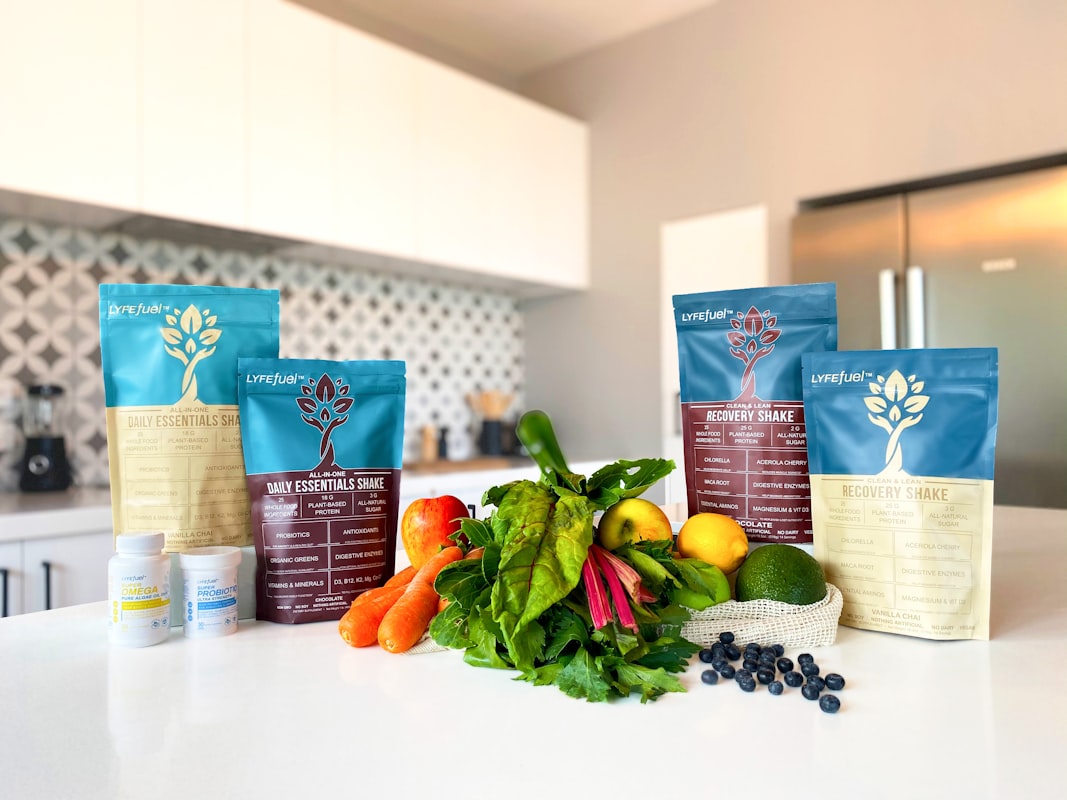
Leafy Greens
Spinach, kale, Swiss chard, and collard greens are nutritional powerhouses packed with folate, iron, magnesium, and vitamins K and C. Kale also contains sulforaphane, a compound studied for cellular protection.

Berries
Blueberries, blackberries, and strawberries deliver vitamin C, fibre, and anthocyanins. These antioxidant pigments give berries their colour and contribute to their micronutrient value beyond basic vitamins and minerals.

Nuts & Seeds
Almonds, walnuts, Brazil nuts, pumpkin seeds, and flaxseeds provide vitamin E, selenium, magnesium, and zinc. Brazil nuts are exceptional—just 2-3 daily meets your selenium needs. Seeds offer lignans, plant compounds with unique health roles.

Fatty Fish
Salmon, mackerel, sardines, and herring are rich in vitamin D, selenium, and iodine. The fat content aids absorption of fat-soluble vitamins and provides omega-3 fatty acids that support cognitive and cardiovascular function.

Legumes
Lentils, chickpeas, beans, and peas offer iron, folate, magnesium, and plant-based protein. Pairing them with grains creates a complete amino acid profile. The high fibre content supports digestive health and micronutrient absorption.

Whole Grains
Oats, brown rice, quinoa, and farro contain B vitamins, magnesium, manganese, and fibre. The intact bran and germ layers (removed in refined grains) contain most of the micronutrients. Quinoa is unusual—it's a complete plant protein with all nine essential amino acids.
Common Questions About Micronutrient Balance
Evidence-based answers to questions our readers frequently ask.
Macronutrients (carbohydrates, proteins, fats) provide energy and building blocks for your body in relatively large amounts—measured in grams per day. Micronutrients (vitamins and minerals) are needed in much smaller quantities—often measured in milligrams or micrograms—but are equally essential for enzyme function, immune response, and cellular regulation. You can't build good health with macronutrients alone; micronutrient deficiency undermines every system despite adequate calories.
For most people eating a varied, whole-food diet, food provides adequate micronutrients. However, certain groups benefit from supplementation: vegetarians may need B12, people with limited sun exposure need vitamin D, pregnant women benefit from additional folate. Soil depletion, food processing, and individual absorption differences mean that food alone isn't always sufficient for optimal intake. Our article on food sources explores which foods offer the highest micronutrient density, but consulting resources like the UK National Institute for Health and Care Excellence (NICE) guidelines can help identify personal needs.
Water-soluble vitamins (B vitamins, vitamin C) leach into cooking water during boiling, so steaming, roasting, or minimal-water cooking preserves more. Fat-soluble vitamins (A, D, E, K) are heat-stable and may become more bioavailable with gentle cooking that softens plant cell walls. Prolonged high-heat cooking can destroy some micronutrients, while light cooking can enhance absorption of carotenoids in tomatoes and carrots. The best approach combines raw foods (salads with full vitamin C content) and cooked foods (roasted vegetables with enhanced carotenoid availability).
Several factors affect micronutrient bioavailability: low stomach acid (especially in older adults), digestive conditions like coeliac disease or IBS, high stress and inflammation, excessive caffeine or alcohol, and certain medications. Additionally, phytates in grains and legumes, oxalates in spinach, and tannins in tea can bind minerals and reduce absorption—though soaking, sprouting, or cooking can reduce these antinutrients. Understanding your individual factors (age, digestion, medications, stress levels) helps you make informed choices about food pairing and preparation methods.
Obvious signs of deficiency take years to develop, so absence of severe symptoms doesn't mean you're optimally nourished. Early signs of inadequacy include persistent fatigue, poor wound healing, low immune resilience, brain fog, or mood changes. The most reliable approach is food awareness combined with dietary tracking—free tools like Cronometer let you log meals and see micronutrient intake patterns. If you suspect deficiency, functional nutrition blood work (available through NHS or private practitioners) can identify specific gaps. Many people discover they're consistently under target for folate, iron, vitamin D, calcium, or magnesium.
Absolutely. Vegetarians and vegans can meet most
Absolutely. Vegetarians and vegans can meet most micronutrient needs through plant-based foods, though they may need to supplement B12. Low-carb diets might lack certain minerals found in whole grains. Mediterranean and DASH diets naturally provide diverse micronutrients. The key is choosing nutrient-dense foods within your dietary framework.
It's wise to reassess annually or whenever your lifestyle changes significantly—such as during pregnancy, after illness, or when changing your diet. Blood work can reveal deficiencies early. Consulting a healthcare provider ensures your micronutrient strategy evolves with your needs.
What Our Readers Say
"This guide completely changed how I think about nutrition. I've never felt better, and my energy levels are through the roof. Highly recommend!"
Sarah Mitchell
Wellness Coach
"Finally, a resource that connects mindfulness with nutrition in a way that actually makes sense. I've recommended it to all my friends."
James Chen
Fitness Enthusiast
"The science-backed approach is refreshing. No fads, just solid nutrition principles that I can actually follow long-term."
Maria Rodriguez
Nutritionist
"As someone with dietary restrictions, this guide helped me understand exactly which foods give me the nutrients I need. Game-changer!"
David Park
Health-Conscious Parent
Ready to Transform Your Nutrition?
Join thousands of readers who've discovered the power of mindful, nutrient-rich eating. Start your journey today with practical strategies and science-backed guidance.
No credit card required. Free access to foundational content.